From survival moves to branding gambles, these choices reshaped the Mustang, and split its audience every time.
Intro
Few cars have been redefined as often, or as publicly, as the Ford Mustang. Every major generational shift has come with at least one decision that upset purists, confused buyers, or flat-out rewrote what the car was supposed to be. Some of these moves were made out of desperation, others out of ambition, and a few were calculated risks that Ford knew would cause backlash. What they all share is impact: each decision permanently altered the Mustang’s trajectory, whether enthusiasts were ready for it or not.
6. Manual Transmission Compromises
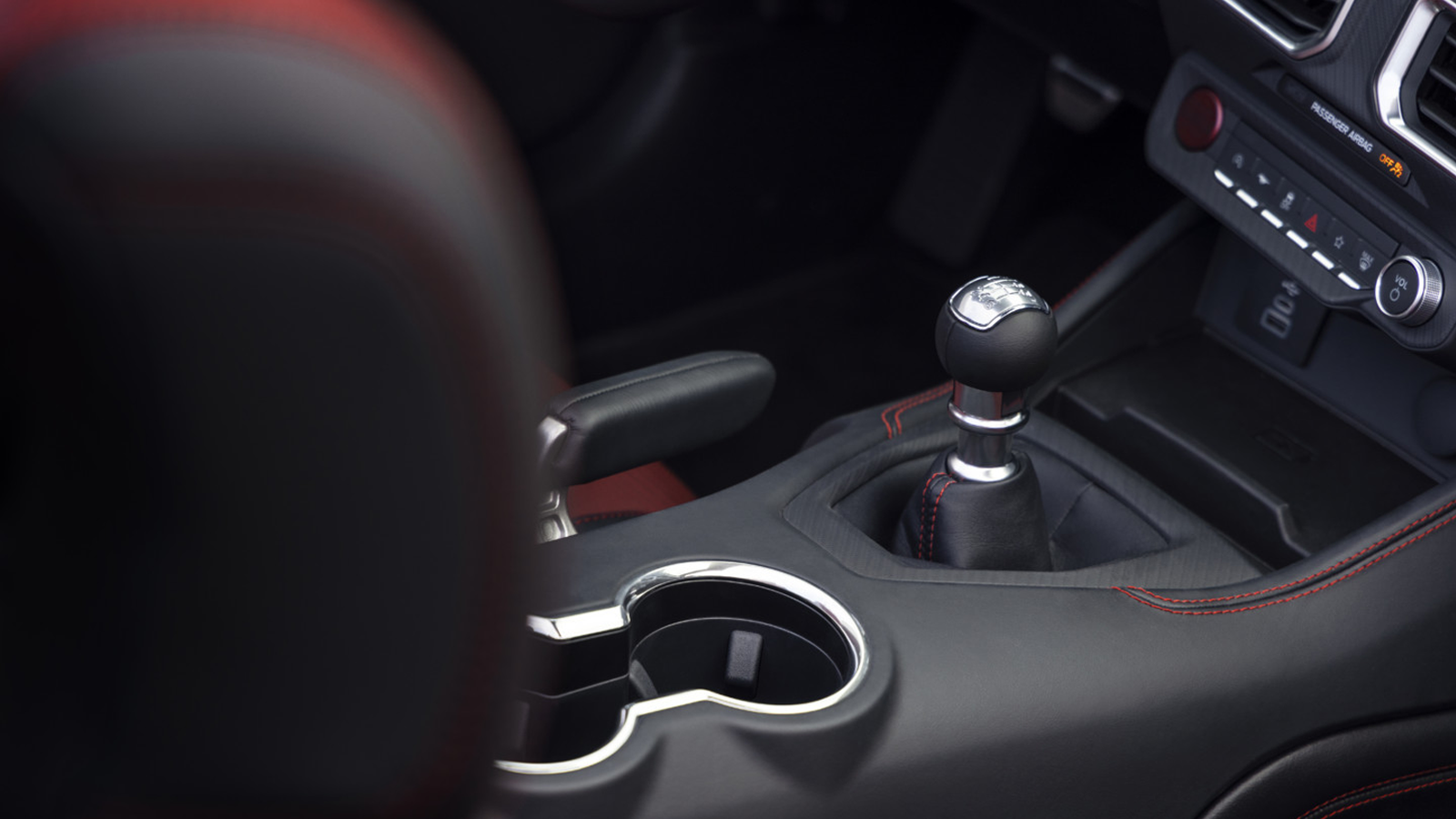
As automatics got faster, manuals became symbolic. Ford’s struggle to keep the manual relevant, while facing clutch failures, gear lockout issues, and emissions constraints, sparked criticism from diehards who felt Ford was treating the stick shift as an obligation rather than a priority. The result: manuals survived, but often felt like second-class citizens next to the 10-speed automatic.
5. The Mach-E Naming Debacle
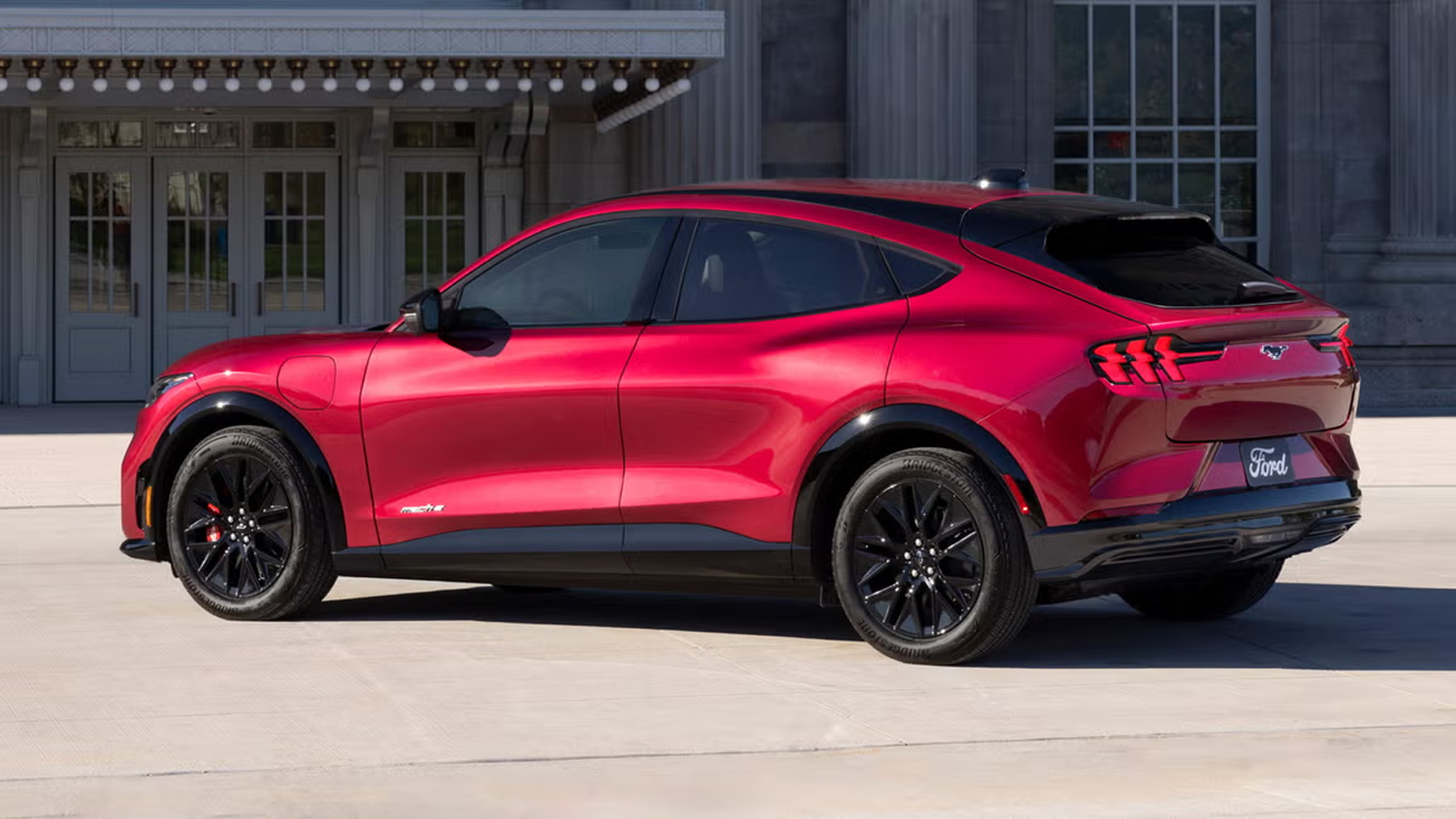
Calling an electric crossover a “Mustang” wasn’t controversial. It was incendiary. Ford wasn’t confused about what it was doing; it wanted instant brand recognition. The backlash was immediate, loud, and predictable. Yet the Mach-E sold well, reviewed well, and brought new buyers into Ford showrooms. Whether it diluted the Mustang name or expanded it depends on whether you think heritage is fragile or adaptable.
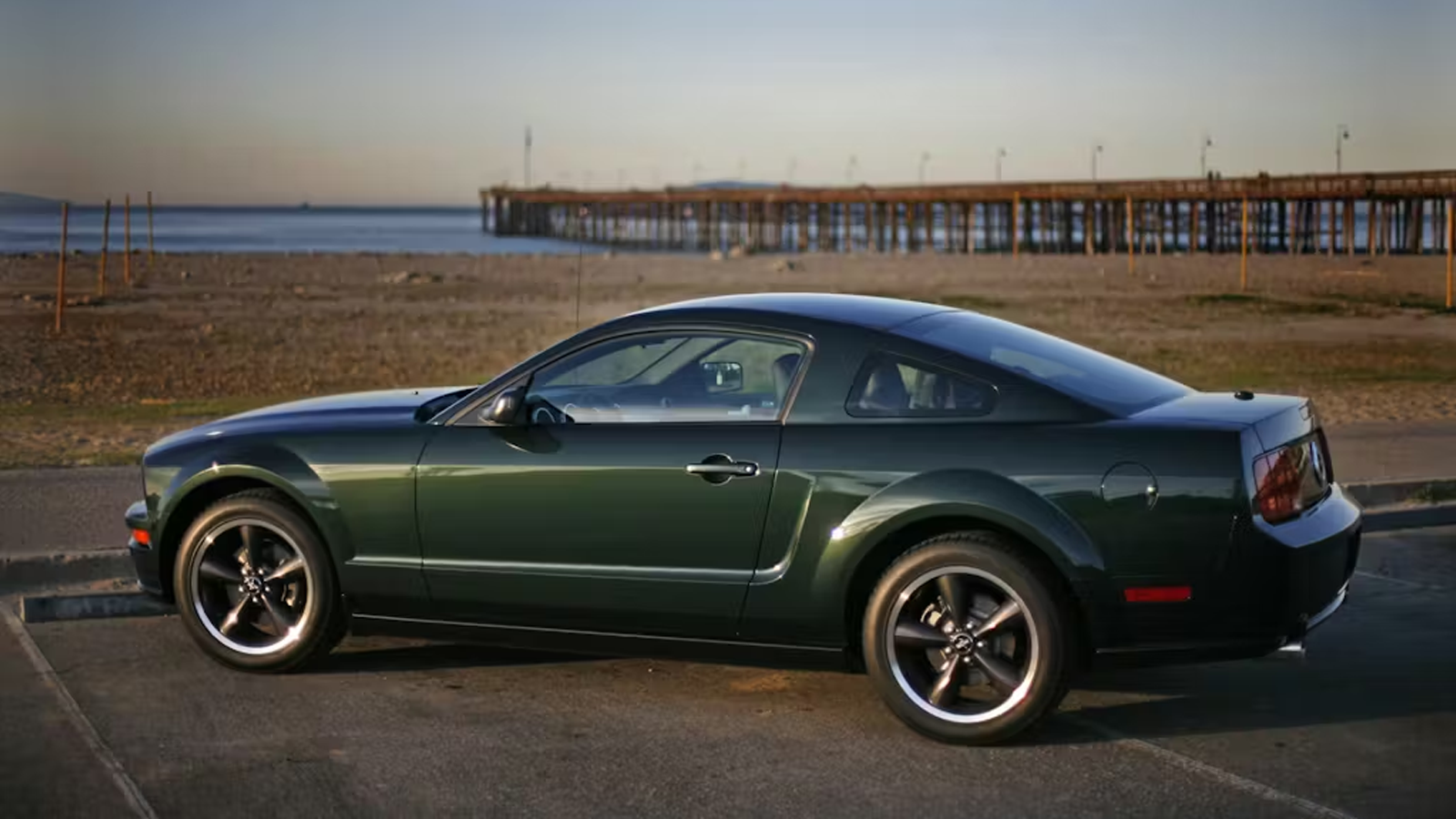
4. The Modular V8 Era (1996–2010)
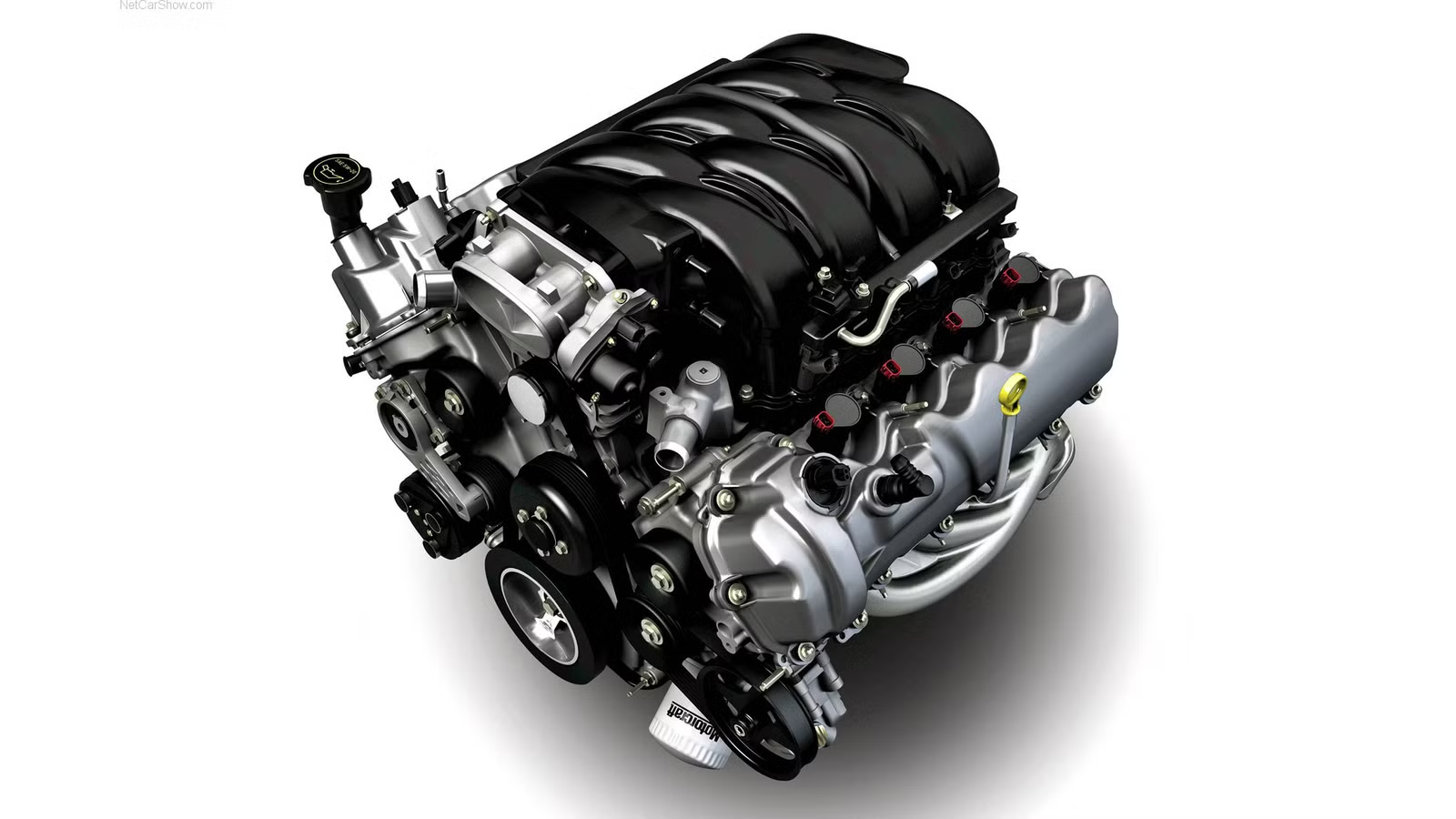
Replacing the beloved pushrod 5.0 with the 4.6-liter modular V8 triggered one of the loudest enthusiast backlashes Ford ever faced. Early SOHC versions were underpowered, revs felt constrained, and torque took a hit. What Ford gained was durability, emissions compliance, and a foundation that eventually supported 7,000+ rpm Cobras and supercharged monsters, but the transition years were painful.
3. Turbo Four-Cylinder Again—The EcoBoost Gamble
Reintroducing a four-cylinder Mustang was always going to be radioactive. The EcoBoost made solid power, 310 hp at launch, and delivered better weight distribution and real-world speed, but optics mattered more than data. For many buyers, “four-cylinder Mustang” still sounded like a punchline. The irony? It outsold expectations and kept the Mustang viable in markets where V8s were impractical or impossible.
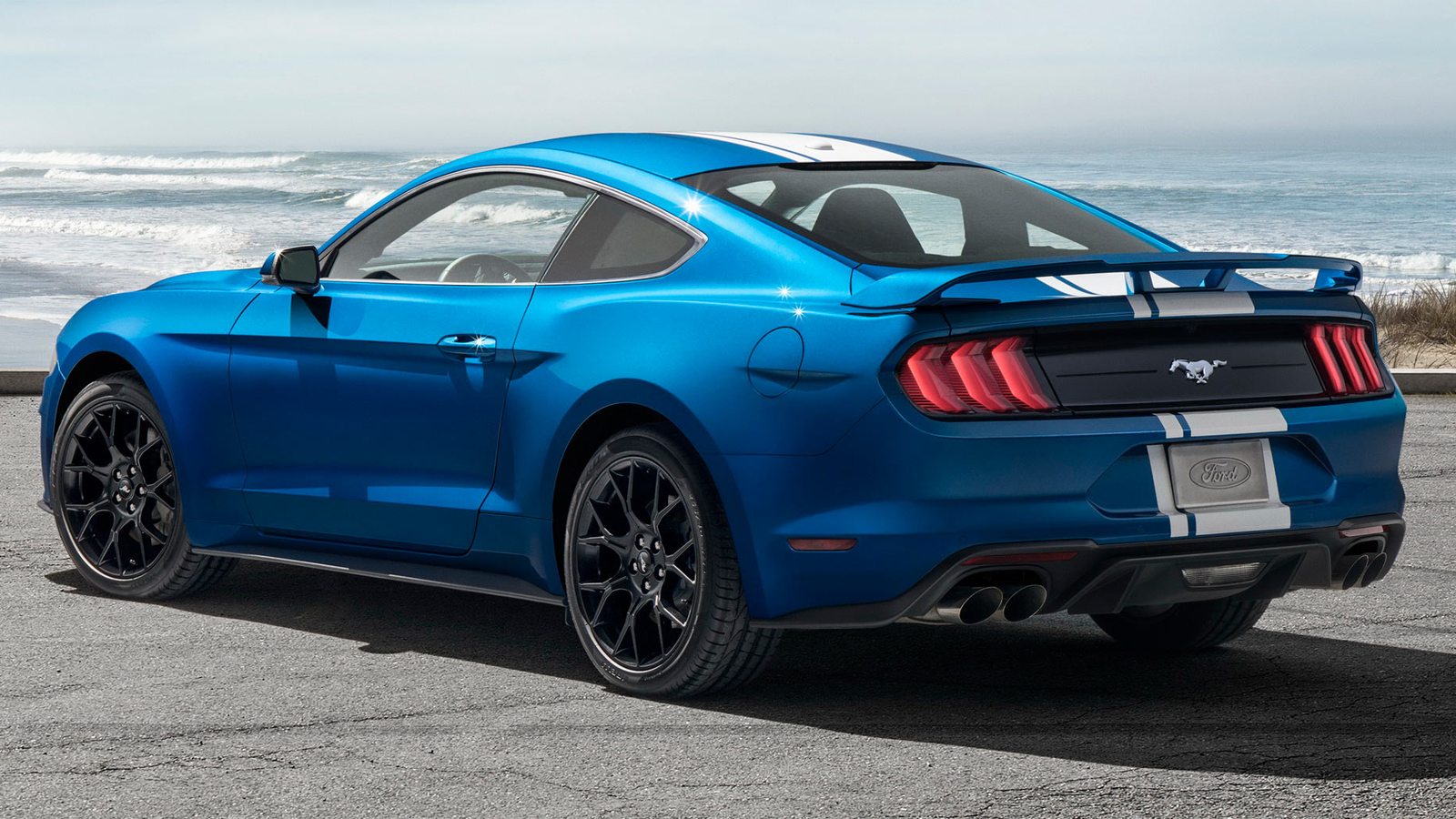
2. Killing the Solid Rear Axle (S550, 2015)
For decades, the solid axle was the Mustang’s unapologetic middle finger to road-course snobs. Then Ford went fully independent rear suspension for the S550. Drag racers panicked. Purists complained. And then the lap times dropped. IRS improved ride quality, cornering stability, and global competitiveness, but it also marked the end of the Mustang as a cheap, brutally simple straight-line weapon straight from the factory.
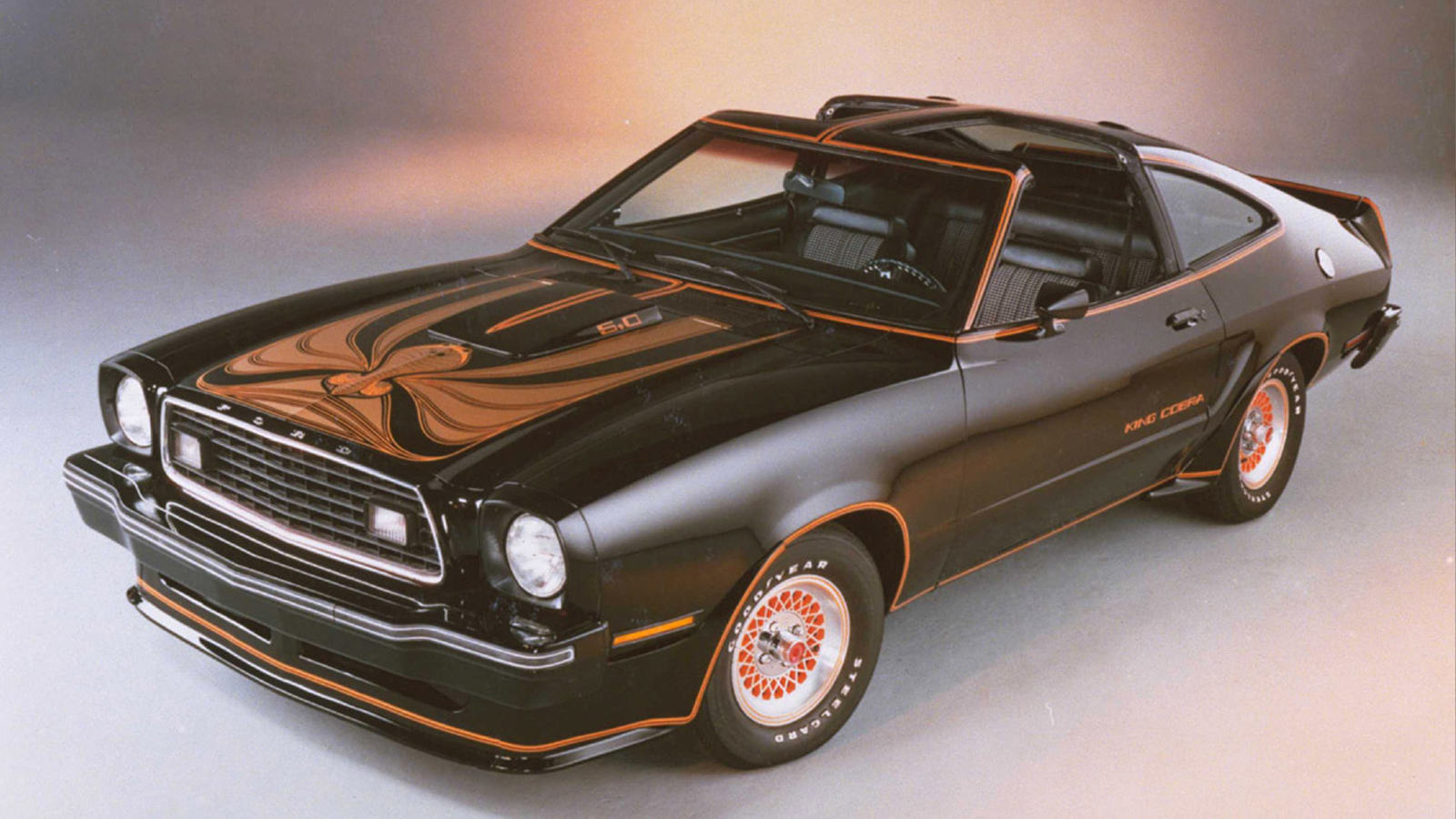
1. The Mustang II (1974–1978): Shrinking the Legend
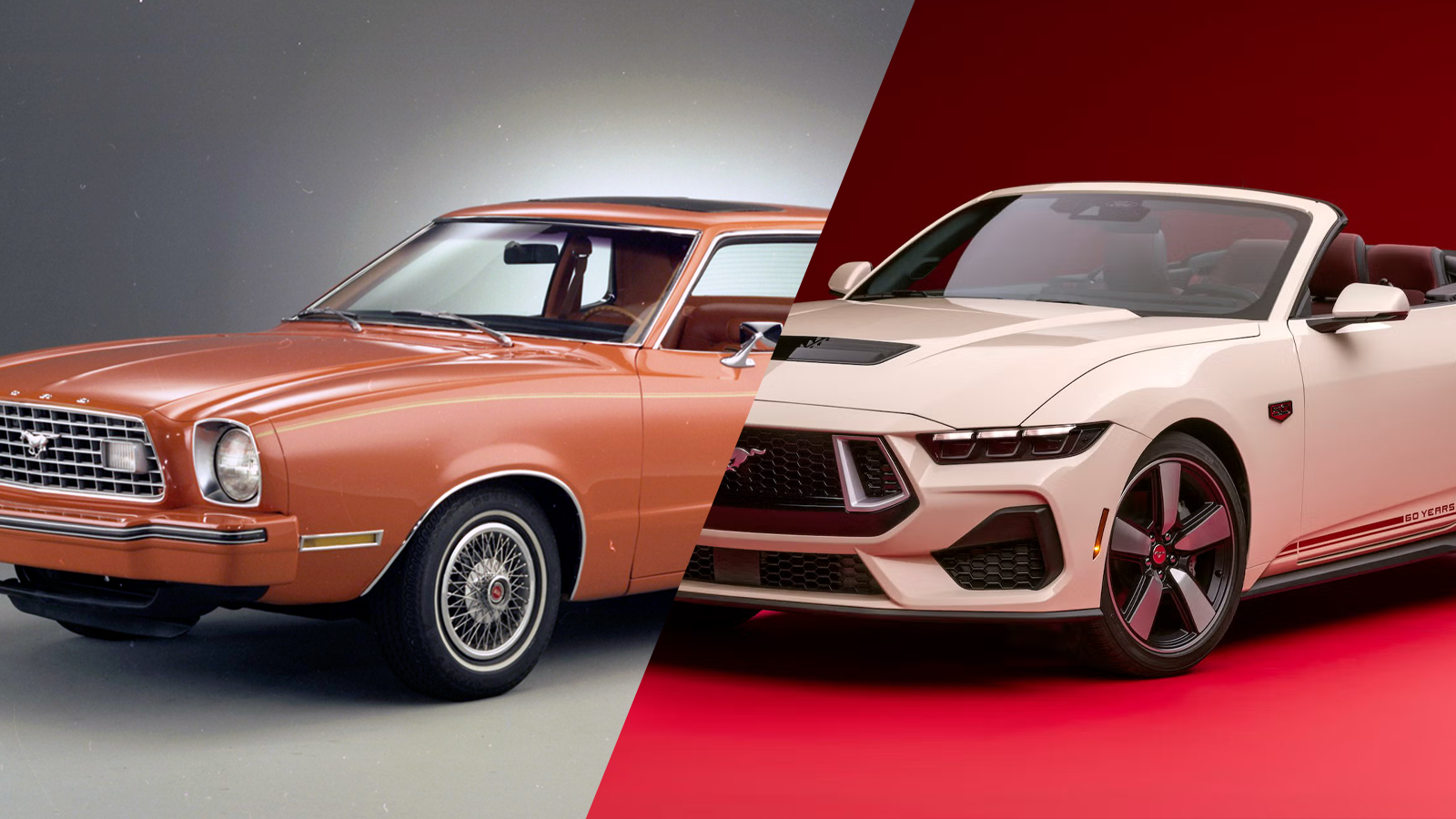
Ford’s most infamous Mustang wasn’t born from incompetence; it was born from the oil crisis, emissions regulations, and survival mode. The Mustang II ditched big blocks entirely, topped out at 140 horsepower in V8 form, and rode on Pinto-based underpinnings. Enthusiasts hated it, but sales didn’t: Ford sold more than 385,000 units in 1974 alone. The controversy wasn’t performance; it was identity. The Mustang lived, but its muscle-car credibility went on life support.