
8 Retro Mustang Features That Were So Cool, Ford Had to Bring Them Back
Modern Mustangs may pack digital dashboards and 800-horsepower superchargers, but many of their coolest details were borrowed straight from the 1960s and 1970s.


1. The Shaker Hood Scoop
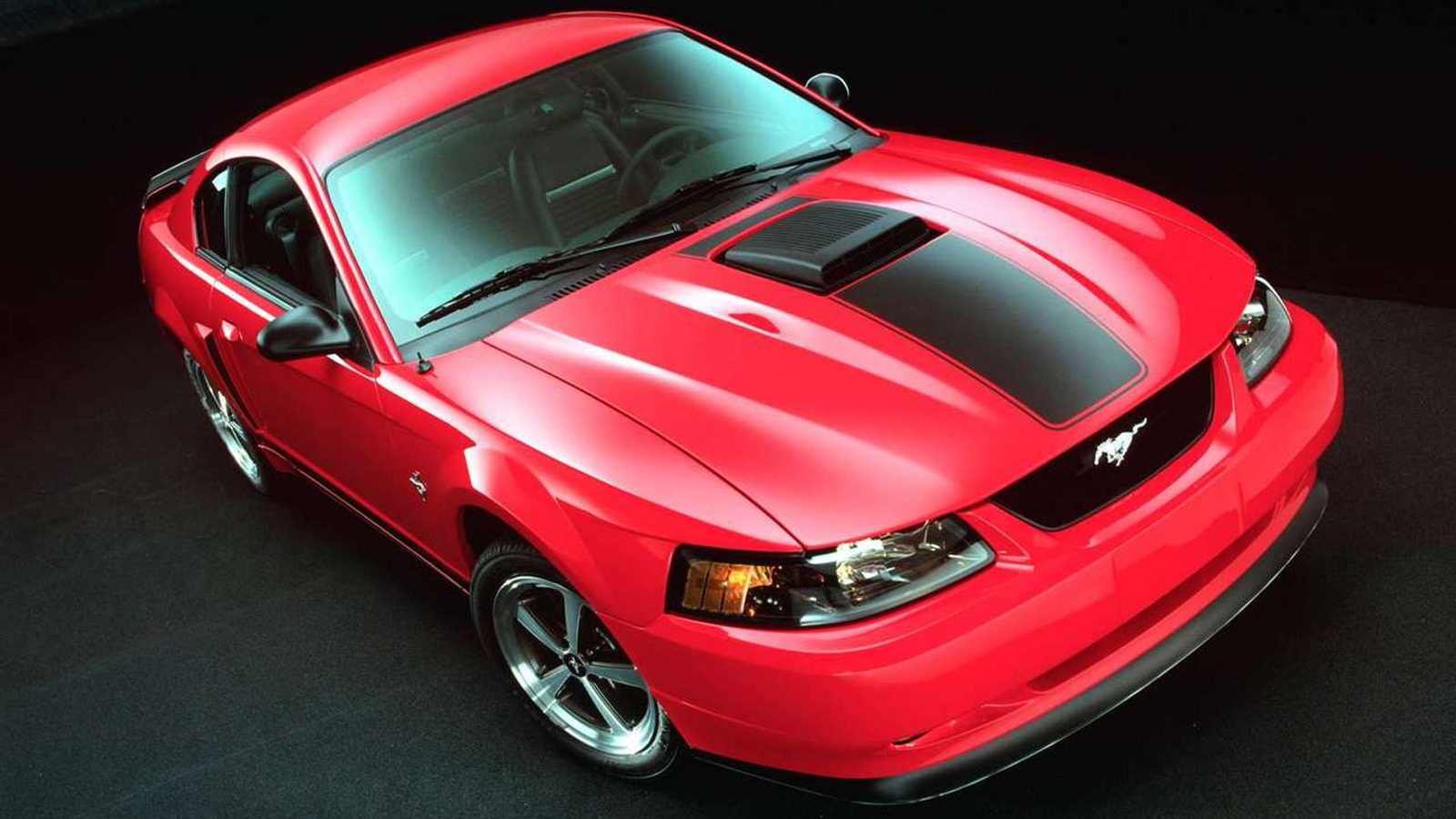
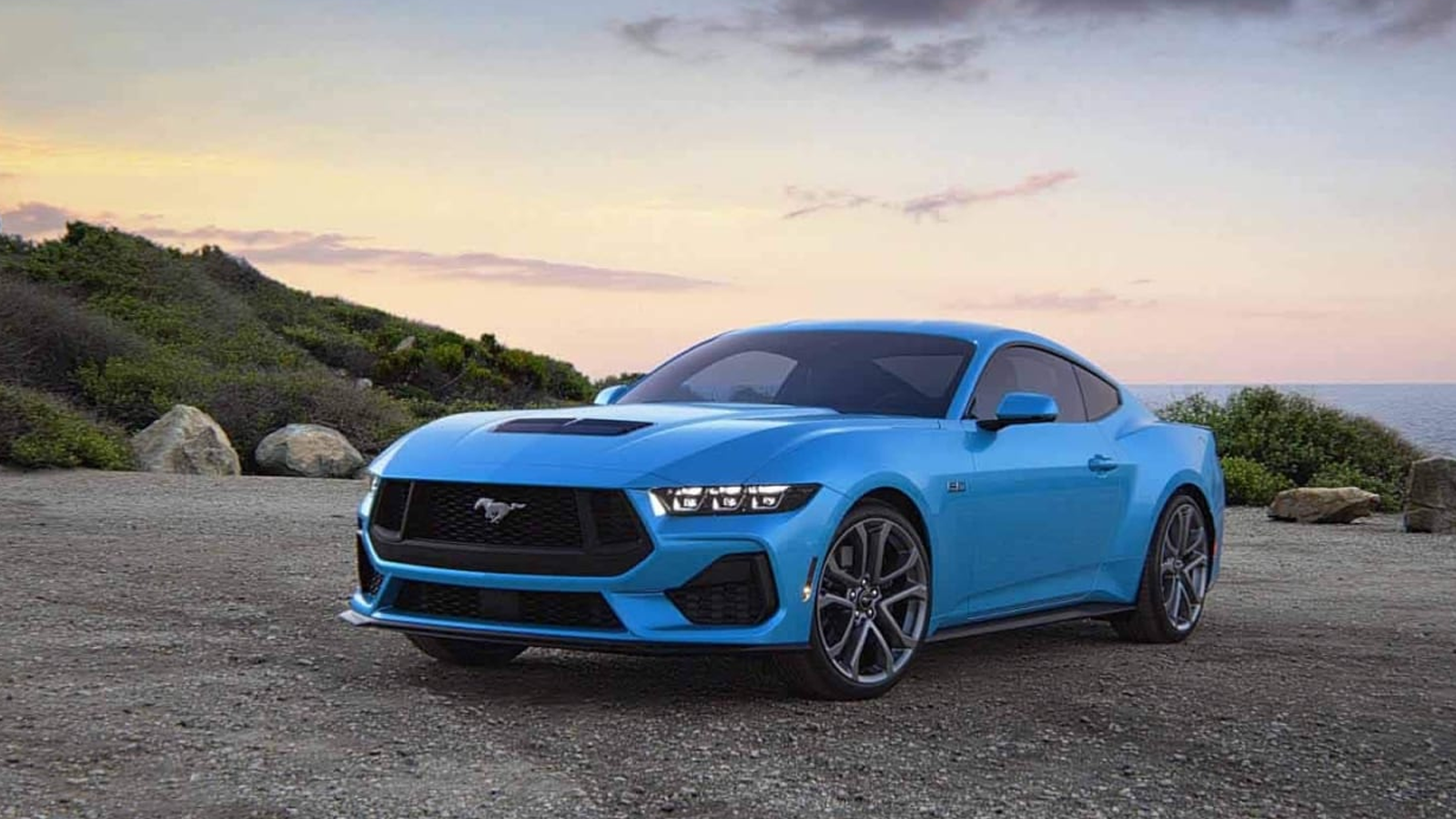
Few Mustang features scream “classic muscle car” louder than the Shaker scoop. Originally made famous by late-1960s and early-1970s Mach 1 models, the scoop was mounted directly to the engine so it visibly shook and vibrated along with the V8 underneath.
Ford revived the concept several times on modern Mustangs, most notably with the 2003-2004 Mach 1. Watching the scoop jiggle under throttle instantly adds old-school personality that modern active aero systems simply can’t replicate. It’s completely unnecessary in the age of CFD and wind tunnels. That’s exactly why enthusiasts love it.
2. The Triple Vertical Taillights
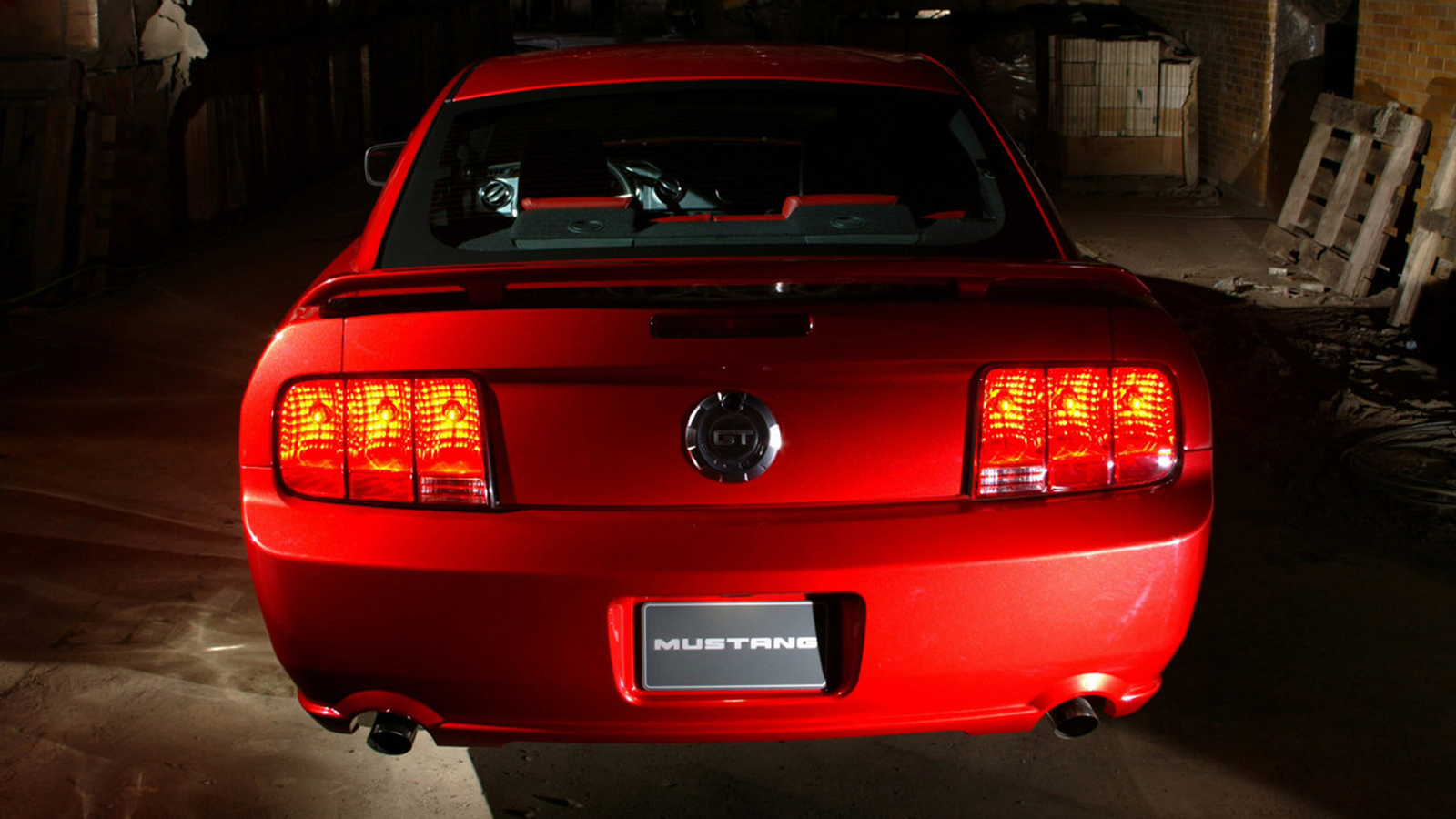
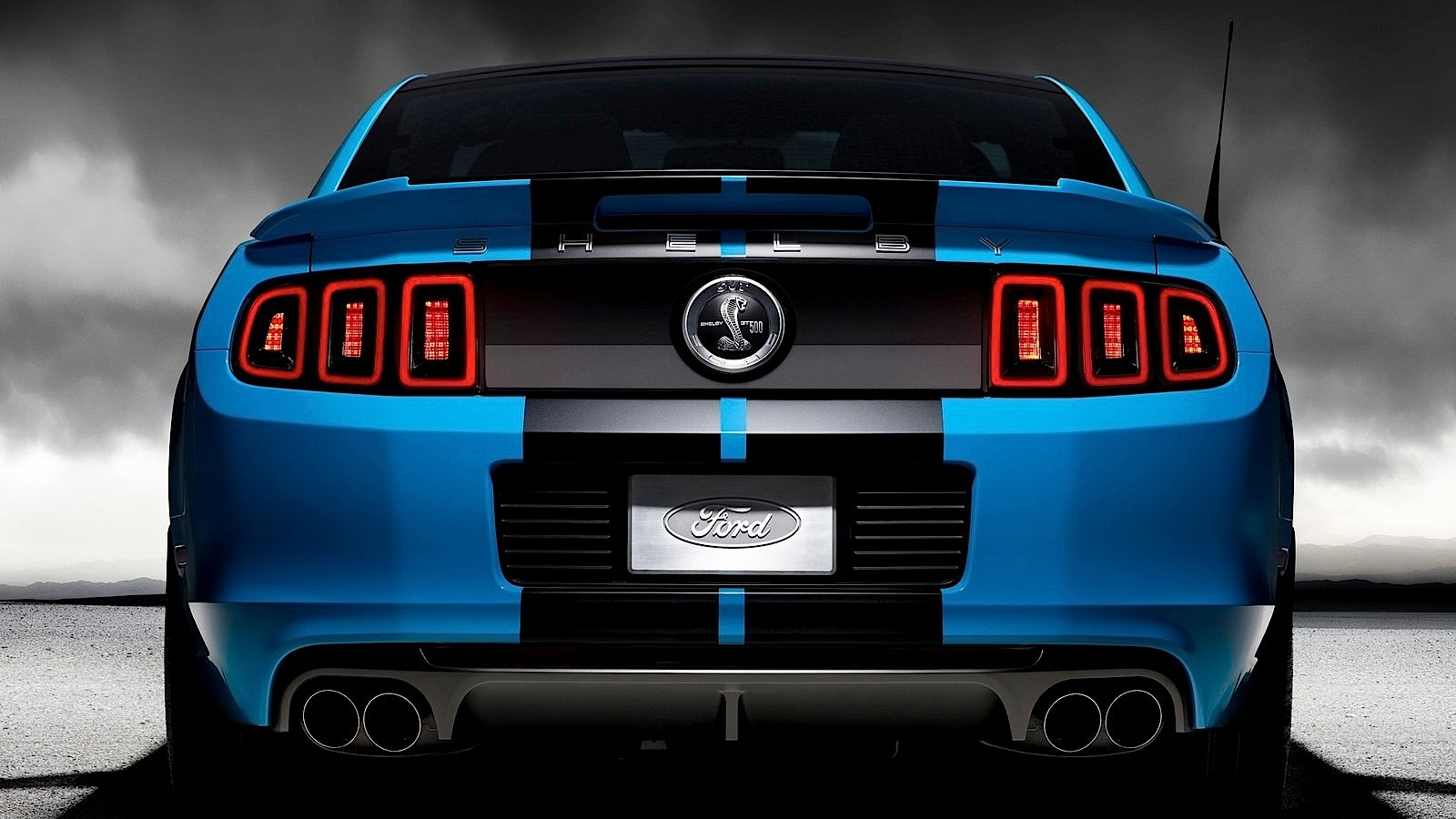
Few Mustang design elements are more recognizable than the three-bar taillights introduced on the 1964½ car. Ford experimented with different interpretations over the decades, but the retro-inspired 2005 S197 generation fully embraced the classic look again. Modern Mustangs didn’t just reuse the idea, they exaggerated it.
The sequential turn signals were integrated, the housings became more sculpted, and the LEDs made the old-school design look futuristic without losing the original vibe. At night, you can spot those taillights from half a mile away and instantly know what’s coming. It’s one of the rare retro callbacks that actually became cooler with modern technology.
3. The Fastback Roofline
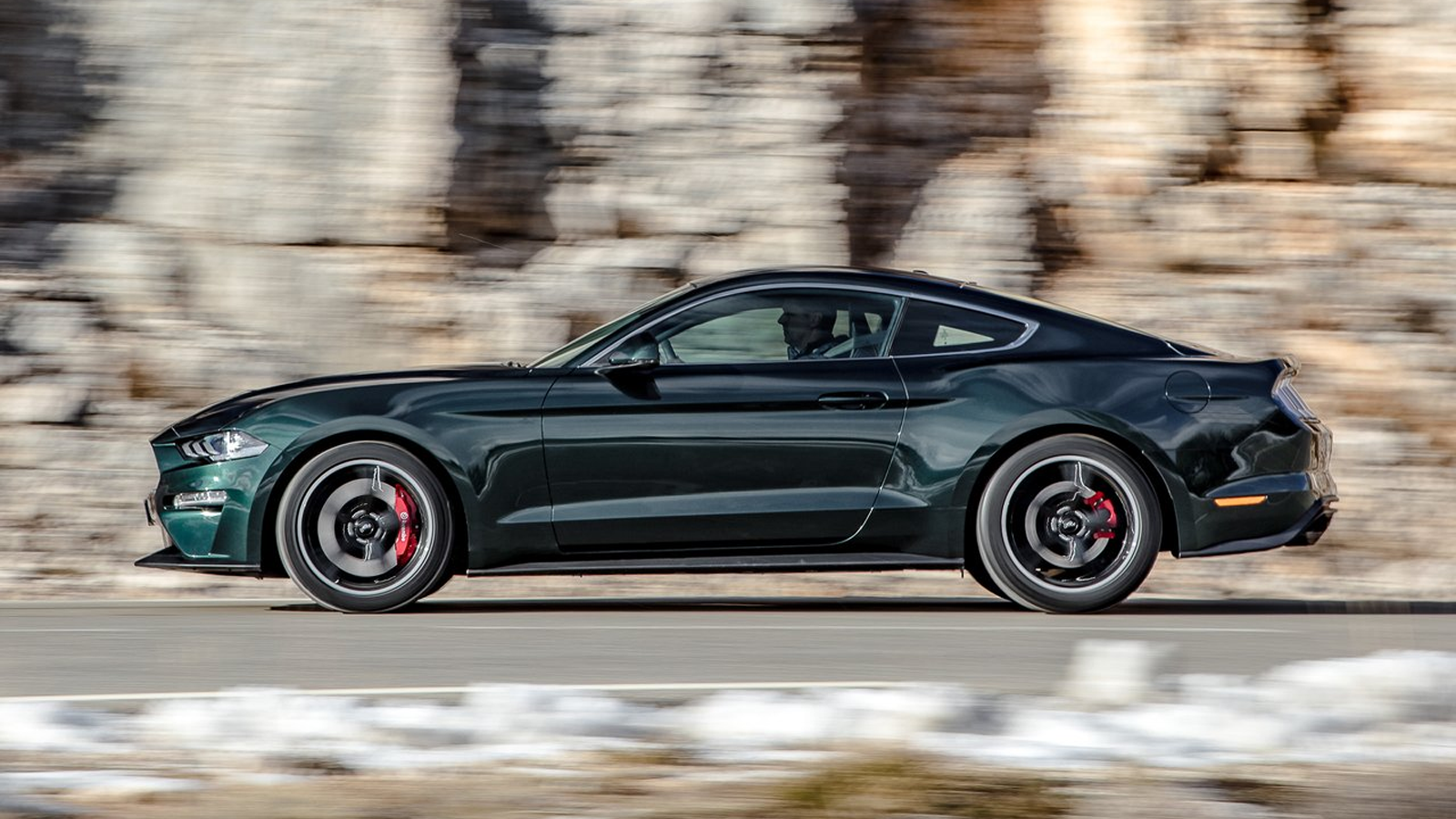
The fastback silhouette became one of the defining Mustang shapes of the late 1960s, especially on cars like the 1967 and 1968 SportsRoof models. Later generations drifted away from the look, particularly during the Fox Body and SN95 years. Ford reversed course in 2005.
The S197 generation intentionally revived the dramatic fastback profile, complete with the sloping rear glass and muscular rear haunches that made classic Mustangs look aggressive even standing still. The S550 and S650 generations modernized the shape, but the DNA remains unmistakably retro. It’s one of the biggest reasons modern Mustangs still feel connected to the originals despite growing dramatically larger over the decades.
4. Quarter Window Louvers
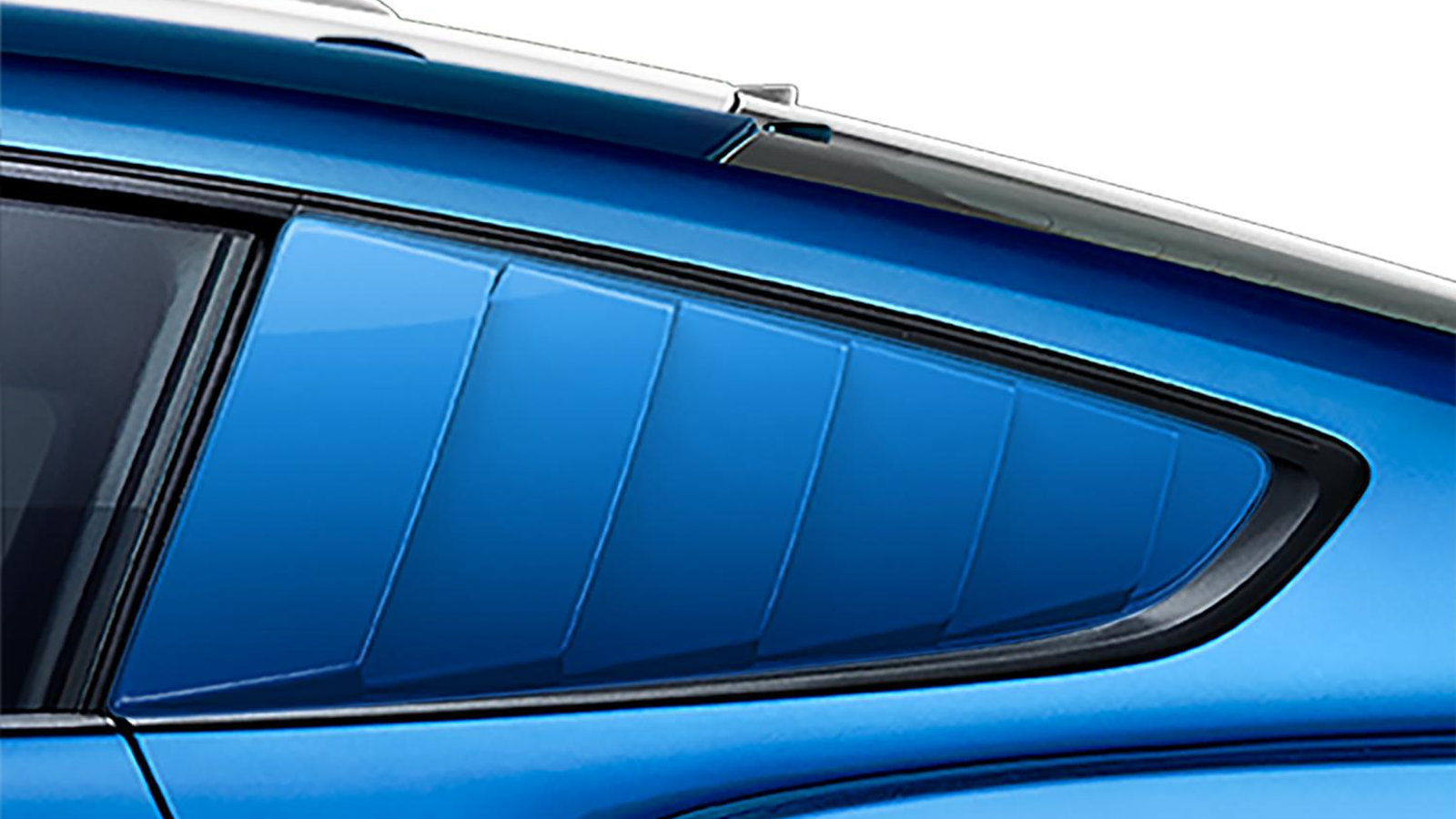
Quarter window louvers were peak 1970s Mustang styling excess. They added attitude, reduced visibility, and somehow made everything look cooler at the same time. Ford brought the aesthetic back during the retro Mustang revival, especially as factory-backed accessories and appearance packages exploded during the S197 era. The louvers instantly transformed modern Mustangs into rolling callbacks to the Mach 1 and Boss-era cars. Objectively, they still create blind spots. Objectively, Mustang owners still do not care.
5. The Faux Gas Cap
Classic Mustangs placed a decorative gas cap directly in the center of the rear panel, often featuring the famous Mustang emblem surrounded by chrome trim. Modern Mustangs revived the look almost immediately when the retro design language returned in 2005.
Even though the actual fuel filler moved elsewhere decades ago, Ford recreated the faux cap as a styling centerpiece on the trunk panel. It’s a tiny detail, but it instantly makes the rear end feel more “classic Mustang” instead of generic modern coupe. Sometimes nostalgia works best when it serves absolutely no practical purpose.
6. Heritage Colors Made A Comeback Too
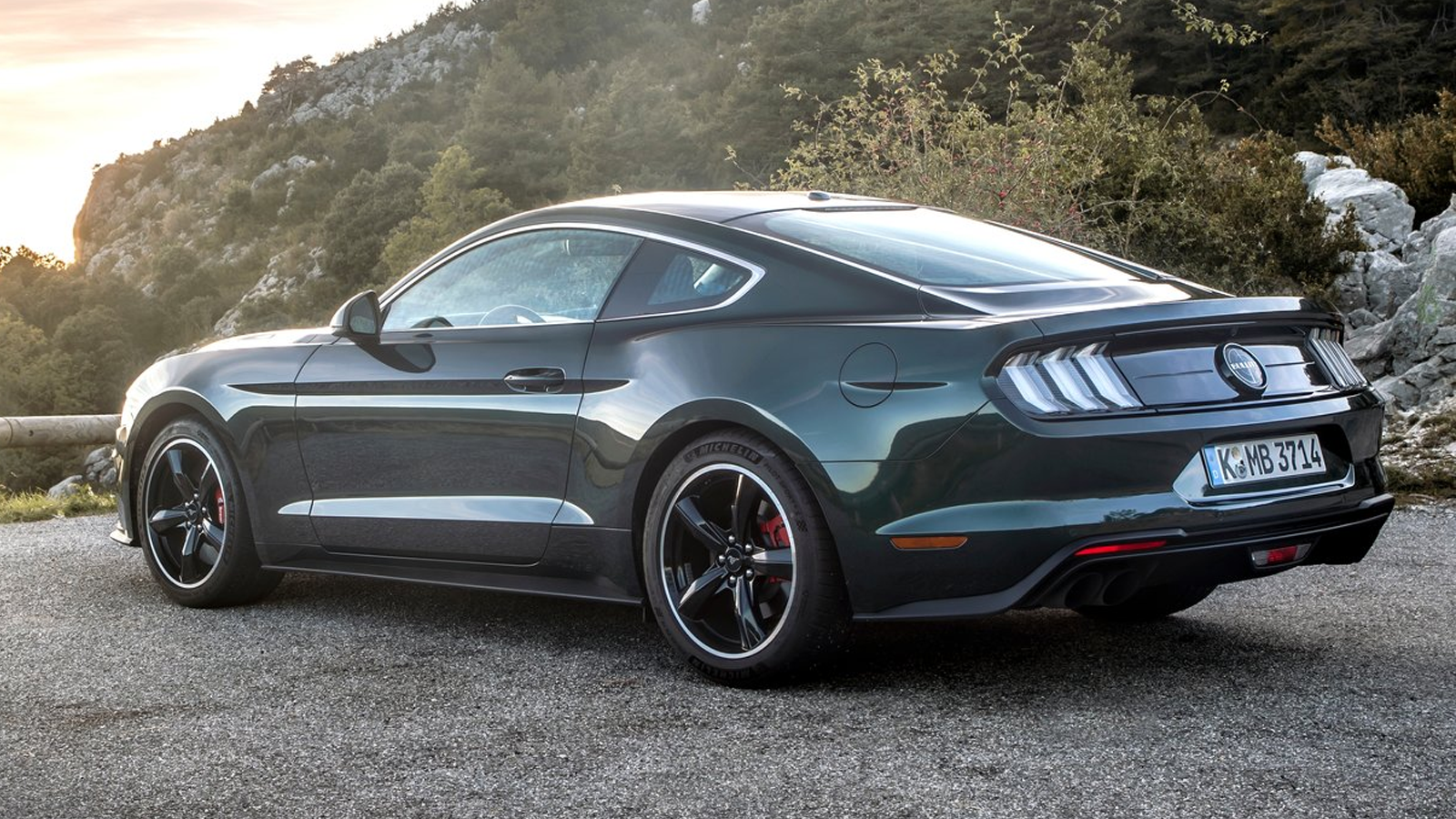
Retro styling cues work a lot better when paired with the right paint colors, and Ford understood that immediately. Modern Mustangs revived legendary shades like Highland Green, Grabber Blue, Twister Orange, and Wimbledon White-inspired tones. Some special editions practically looked like restored vintage cars parked next to modern traffic. The funny part is that many younger enthusiasts now associate those colors with modern Mustangs first. Ford revived the past so successfully that the retro colors became modern icons all over again.
7. Retro-Inspired Wheel Designs
Modern Mustang wheels often look like updated versions of classic Magnum 500s or vintage five-spoke designs from the muscle-car era. Ford especially leaned into this during special editions like the Bullitt, Mach 1, and Heritage-inspired packages. Even newer performance wheels usually maintain a chunky, muscular appearance instead of chasing ultra-thin futuristic designs.
Some modern Mustang wheels honestly look like a 1968 wheel designer time-traveled into the future and discovered CNC machining. And somehow that works perfectly.
8. Retro Graphics and Decals
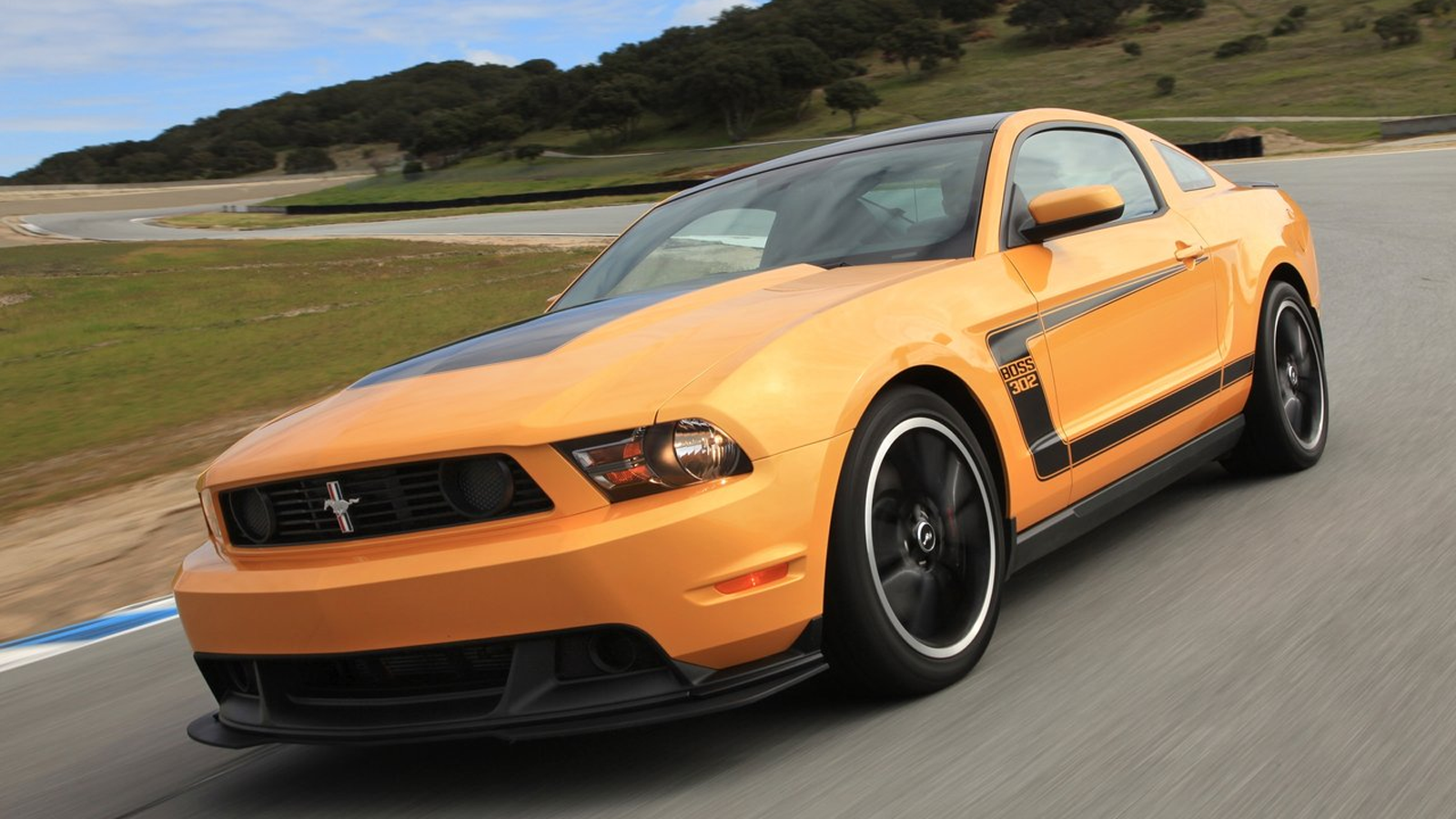
For years, muscle cars lost the bold stripe packages and giant decals that once defined the golden era of factory performance cars. Then modern Mustangs brought them back in full force. The revived Boss 302 models returned with aggressive side stripes, hockey-stick graphics, blackout hood treatments, and retro typography directly inspired by the 1969 originals.
Shelby models embraced over-the-top Le Mans stripes, rocker decals, and giant hood graphics that would’ve looked perfectly at home during the peak muscle-car years. The best part is that Ford didn’t water the designs down. Modern GT350s and GT500s still proudly wear loud graphics in an era where most performance cars try to look subtle and minimalist.